




THERMAL PRECISION FOR NEXT-GENERATION PBS MANUFACTURING
Biodegradable Materials Applications
Reliable Heat Transfer For Esterification, Polycondensation, Vacuum Finishing, And Consistent Biodegradable Polymer Quality
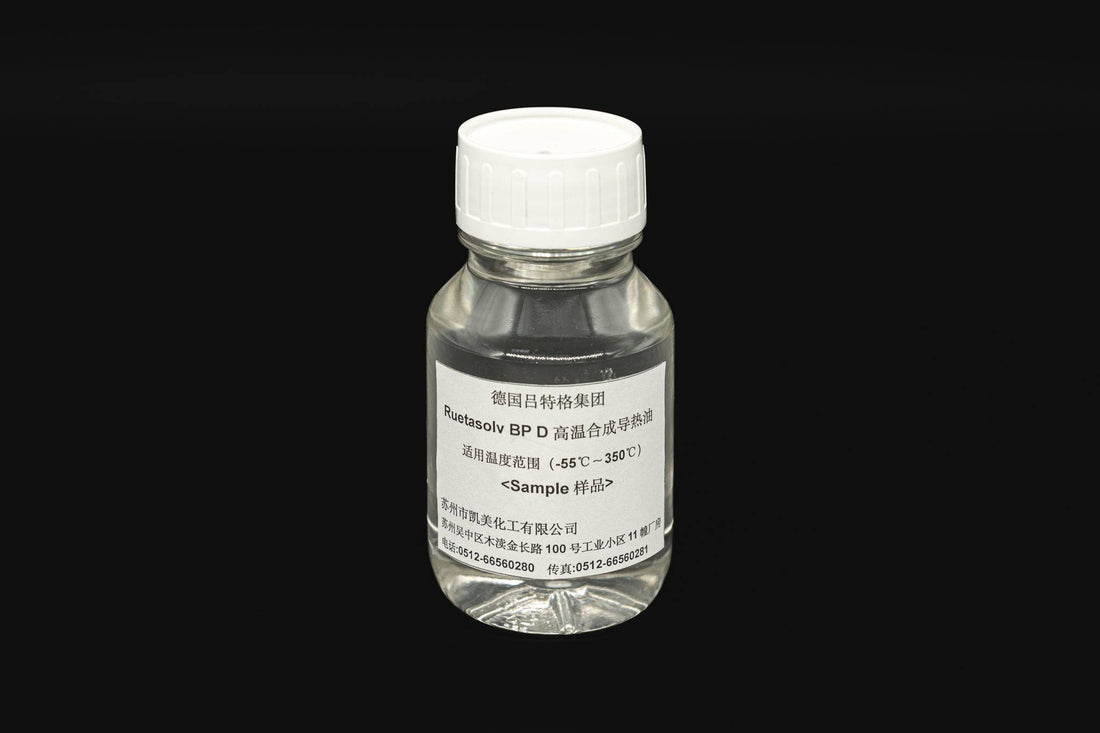
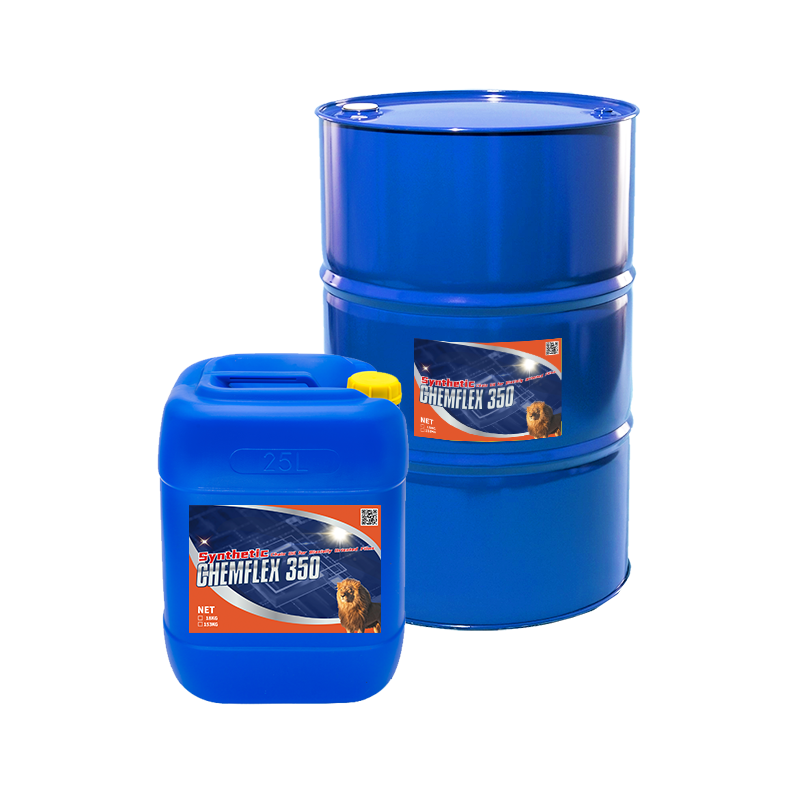
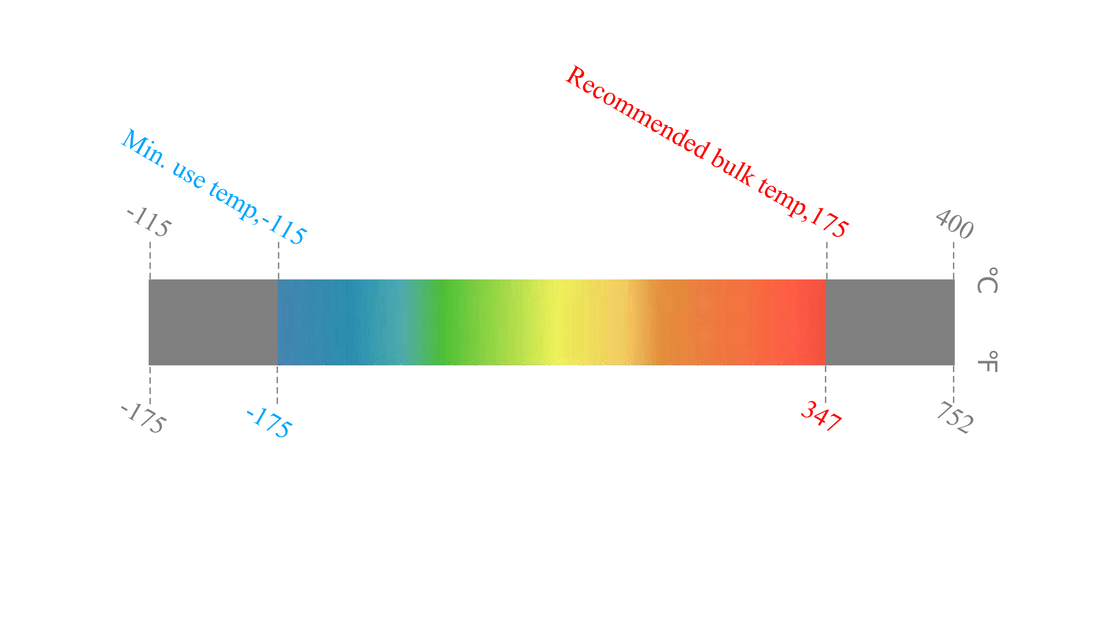
In Biodegradable Materials (PBS) manufacturing, thermal control is essential to balance reaction efficiency, molecular-weight development, color stability, and final resin consistency. Polybutylene succinate production typically begins with esterification in the 160-190°C range, followed by high-vacuum polycondensation at about 220-240°C, with advanced systems pushing final reactor temperature toward 245-255°C for stronger polymer growth and tighter product specifications. Because these stages demand stable heat input, careful removal of by-products, and reliable long-run performance, heat-transfer fluid selection directly influences plant safety, throughput, and polymer quality. Within this operating window,Eurotherm 330provides excellent low-temperature fluidity, a -49 to 315°C range, 4.04 mm²/s viscosity at 40°C, and a -68°C pour point for cold starts and flexible transitions.Eurotherm 320offers a cost-effective -30 to 320°C range with strong thermal stability for mainstream esterification, reboiler, and purification duties.Eurotherm 350andEurotherm THTextend service to 350°C with low system pressure and exceptional thermal integrity for heavy-duty continuous polycondensation loops. For larger closed systems,RÜTGERS Ruetaflex 1000delivers -55 to 330°C coverage with low viscosity and long service life, whileRÜTGERS Ruetasolv BP-Dsupports demanding 24/7 operation with low-pour-point, low-viscosity, high-temperature durability for modern PBS plants seeking lower maintenance and dependable output.
Recommended Products
-
 Unit price perRegular price From $175.63
 -
 Unit price perRegular price $5,339.00
 -
 Unit price perRegular price From $147.53
 -
 Unit price perRegular price From $63.23
 -
View all