




ENGINEERED THERMAL STABILITY FOR CHLORINATED SOLVENT MANUFACTURING
Chlorinated Solvents Applications
Reliable Heat Delivery For Chlorination, Oxyhydrochlorination, Rectification, And Solvent Purification
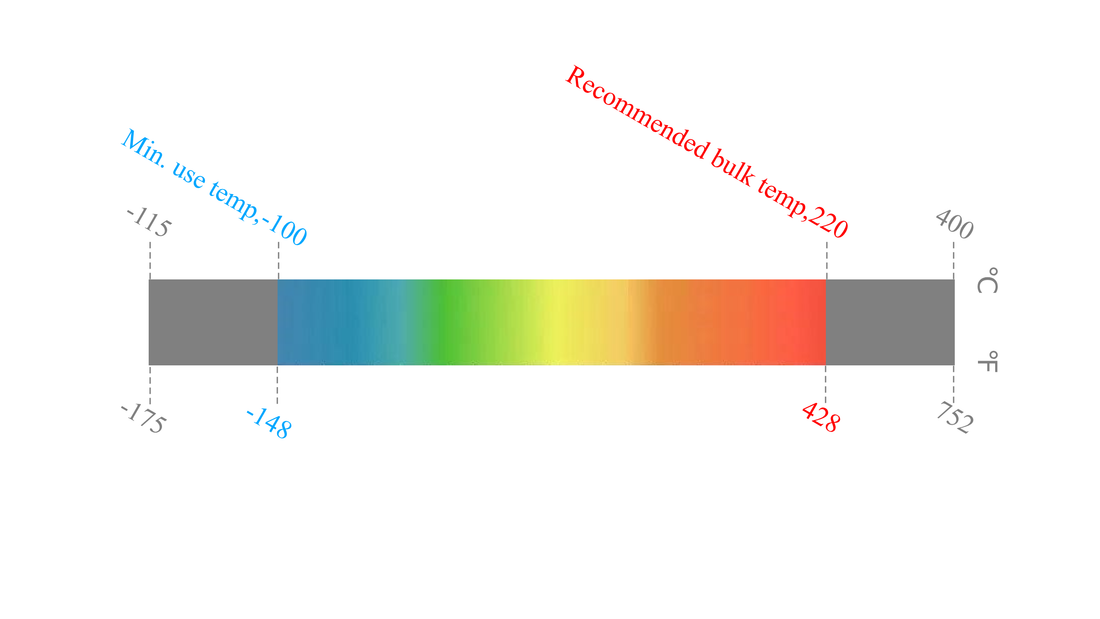
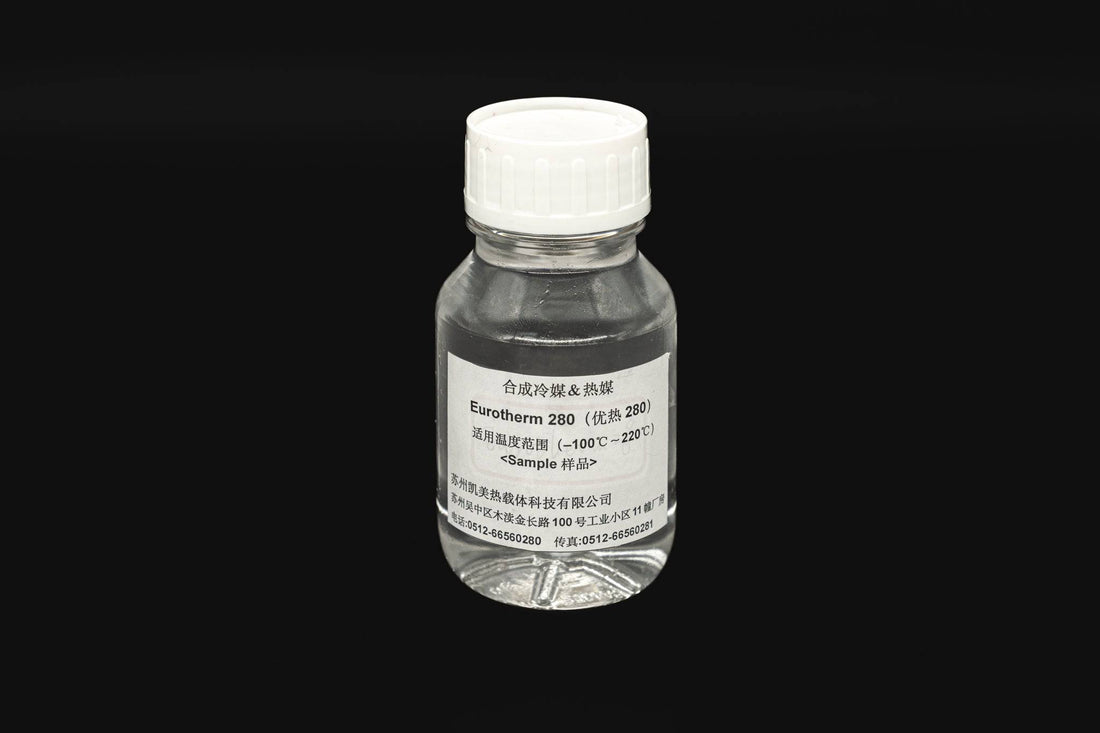
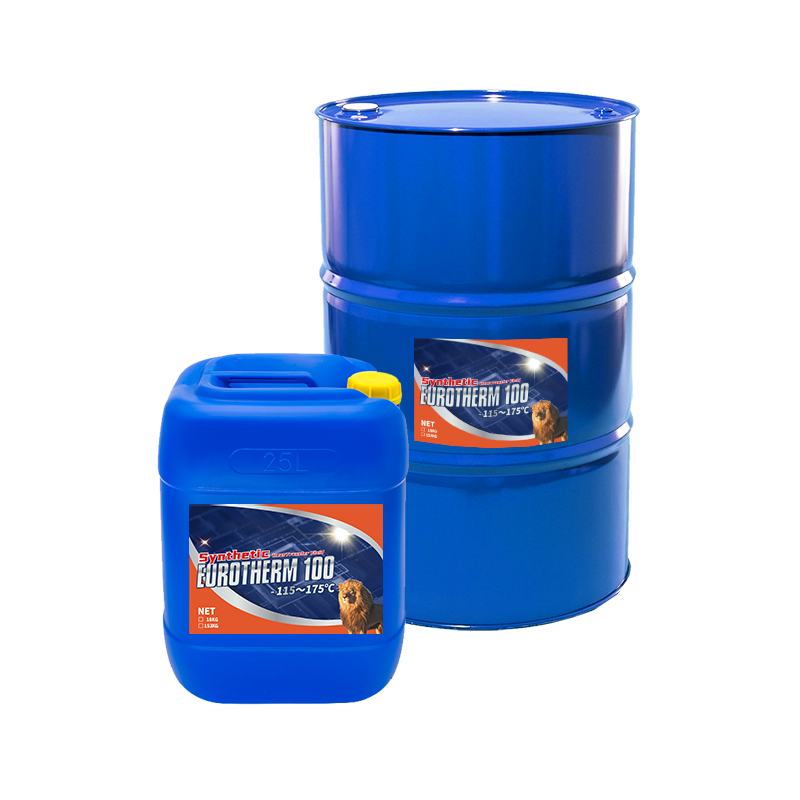
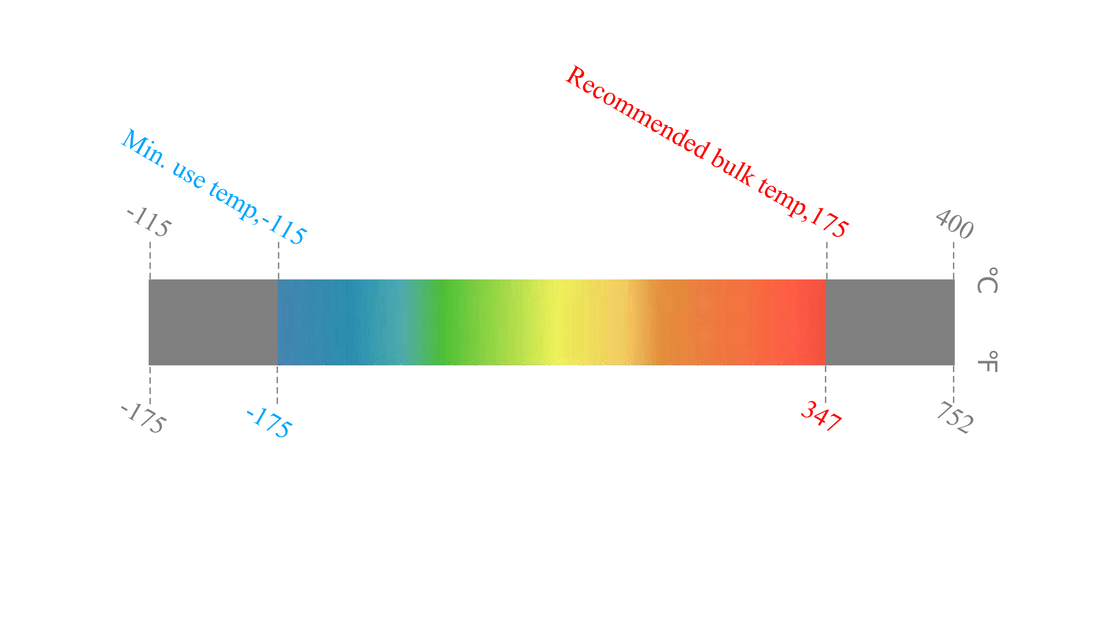
In chlorinated solvents manufacturing, thermal control directly influences product purity, yield consistency, and equipment reliability. Production routes for methylene chloride, chloroform, trichloroethylene, and perchloroethylene combine exothermic chlorination or oxyhydrochlorination with downstream distillation and purification, requiring accurate heat management from low-temperature feed conditioning to high-temperature cracking and rectification. Direct chlorination systems for intermediates such as ethylene dichloride typically operate around 85–200°C, while perchloroethylene and trichloroethylene pathways involve high-temperature reaction zones and subsequent distillation separation, making a stable, low-pressure thermal fluid circuit essential for safer operation and tighter process control. Eurotherm 330offers a -49 to 315°C operating range with very low viscosity of 4.04 mm²/s at 40°C, making it ideal for cold start-up, preheating, and light-duty recovery loops. Eurotherm 320, with a -30 to 320°C range and 9.8 mm²/s viscosity at 40°C, is well suited to reactor jackets, heat exchangers, and solvent recovery reboilers across the 150–300°C range. RÜTGERS Ruetaflex 1000, with operating capability up to about 326°C plus high heat capacity and stable circulation behavior, supports larger closed-loop systems handling sustained thermal loads. Together, they enable low-pressure operation, continuous run stability, reduced maintenance frequency, and more dependable solvent purification performance.

Recommended Products
-
 Unit price perRegular price $5,339.00
 -
 Unit price perRegular price $5,339.00
 -
 Unit price perRegular price From $63.23
 -
View all


