



THERMAL PRECISION FOR HIGH-PERFORMANCE ENGINEERING PLASTICS
Engineering Plastics Application
Stable Heat Management For Polymerization, Polycondensation, Melt Finishing, And Continuous Production Reliability
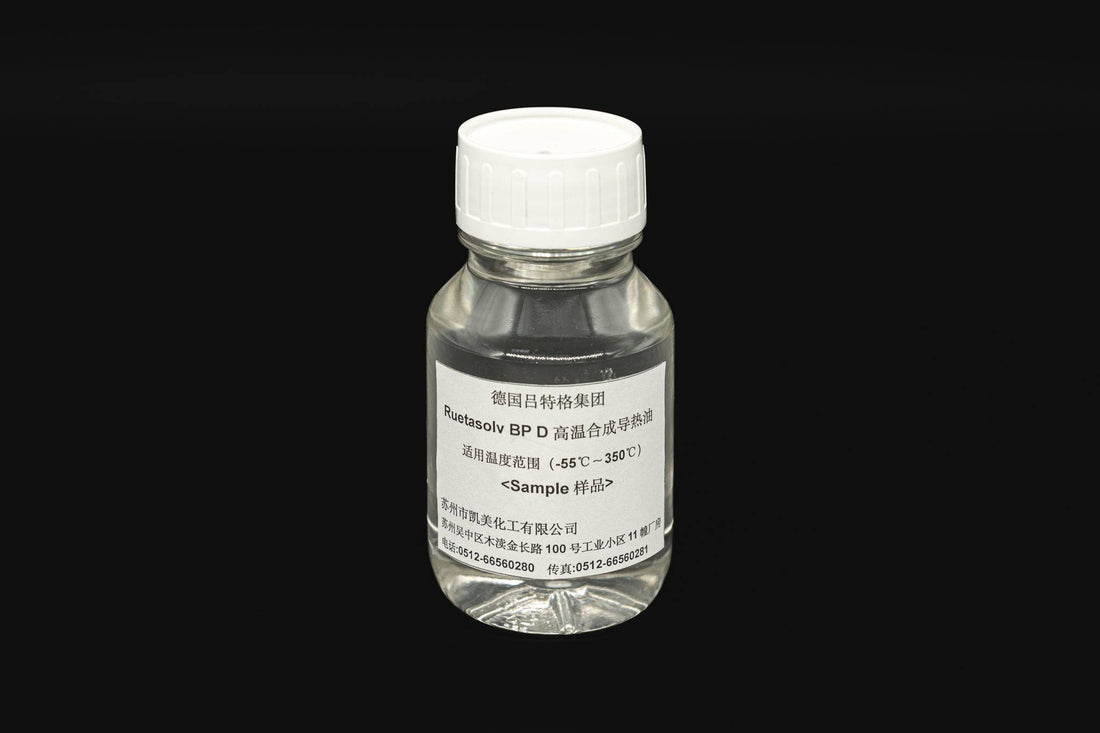
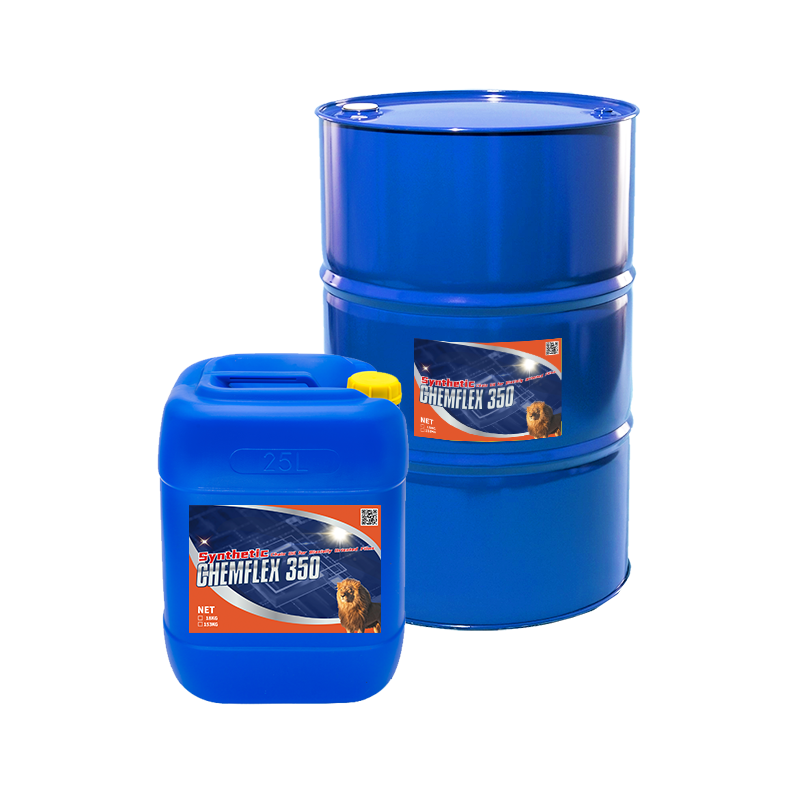
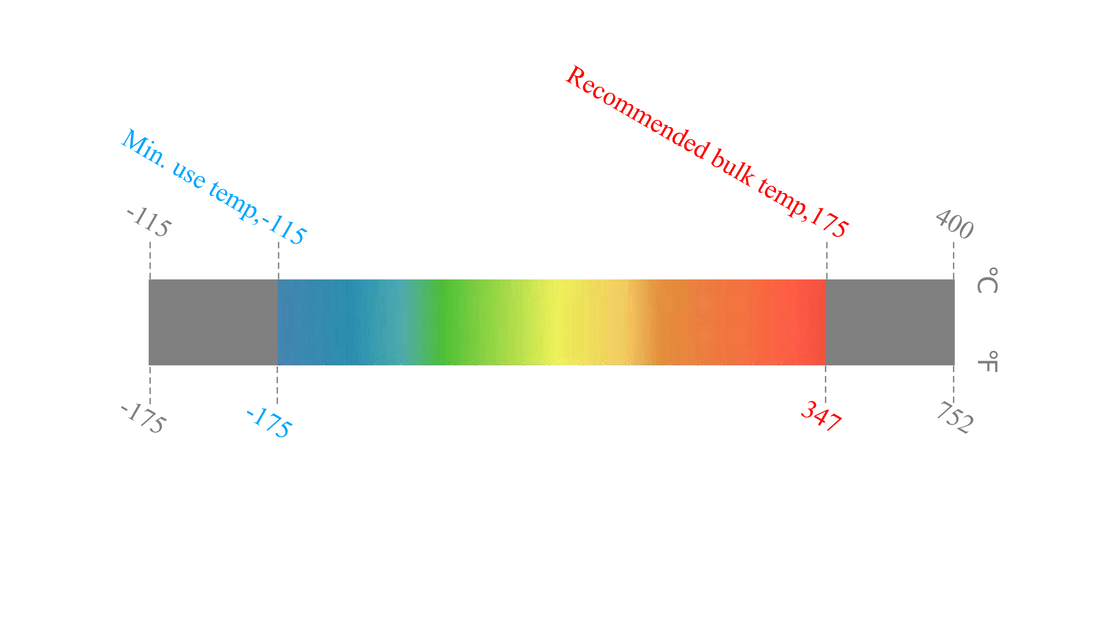
In Engineering Plastics manufacturing, thermal control is fundamental to resin quality, molecular-weight stability, melt viscosity, and consistent downstream performance. Whether producing high-value polymers through polymerization, polyaddition, or polycondensation, manufacturers depend on reliable heat transfer across reactors, reboilers, heat exchangers, and finishing systems. Modern polymer plants are commonly designed for reactor operation up to 300°C and -1 to +10 bar, using thermal oil through external half-pipe coils for heating and internal coils for direct cooling; in higher-temperature engineering plastics processing, continuous melt polycondensation can also operate in the 260-300°C range, making fluid stability and low-pressure heat delivery especially important. Within this demanding window,Eurotherm 330offers rapid circulation, excellent low-temperature fluidity, a -49 to 315°C operating range, 4.04 mm²/s viscosity at 40°C, and a -68°C pour point for cold starts and flexible grade changeovers.Eurotherm 320provides a cost-effective -30 to 320°C range with strong thermal stability for mainstream reactor and distillation service.Eurotherm 350andEurotherm THTboth extend to 350°C for higher-duty polymer sections requiring low system pressure and long-term thermal integrity. For large closed-loop systems,RÜTGERS Ruetaflex 1000adds -55 to 330°C coverage with low viscosity and long service life, whileRÜTGERS Ruetasolv BP-Dsupports demanding continuous operation with low-pour-point, low-viscosity, high-temperature durability for engineering plastics plants seeking lower maintenance and dependable 24/7 output.

Recommended Products
-
 Unit price perRegular price From $175.63
 -
 Unit price perRegular price From $147.53
 -
 Unit price perRegular price $387.78
 -
 Unit price perRegular price $5,339.00
 -
 Unit price perRegular price $5,339.00
 -
 Unit price perRegular price From $63.23
 -
View all