



High-Duty Heat Management For Catalytic Fluorination, Dehydrochlorination, And Product Distillation
Refrigerants Applications
Across Every Reactor Stage And Purification Train: Unwavering Thermal Stability In Refrigerant Manufacturing
Modern refrigerant production—spanning HFCs such as R-134a, next-generation HFOs like HFO-1234yf and HFO-1234ze, and their precursor intermediates—subjects thermal fluid systems to some of the most punishing operating conditions in the specialty chemical industry. The core synthesis pathway for HFCs involves multi-stage catalytic gas-phase fluorination of chlorinated precursors (e.g., trichloroethylene + HF over chromium catalysts) at temperatures ranging from 200 °C to well above 300 °C, while HFO production via dehydrochlorination of HCFC intermediates demands sustained heat delivery in the 200–400 °C range. Between these high-temperature reaction stages, inter-stage preheaters, reboilers on purification distillation columns, and HCl-recovery condensers all require a circulating thermal medium that maintains chemical inertness in the presence of highly corrosive fluorinated and chlorinated atmospheres, resists oxidative cracking over extended campaigns, and delivers reliable heat transfer coefficients from start-up through peak load—without contributing to process contamination or increasing the risk of fluid-related shutdowns.
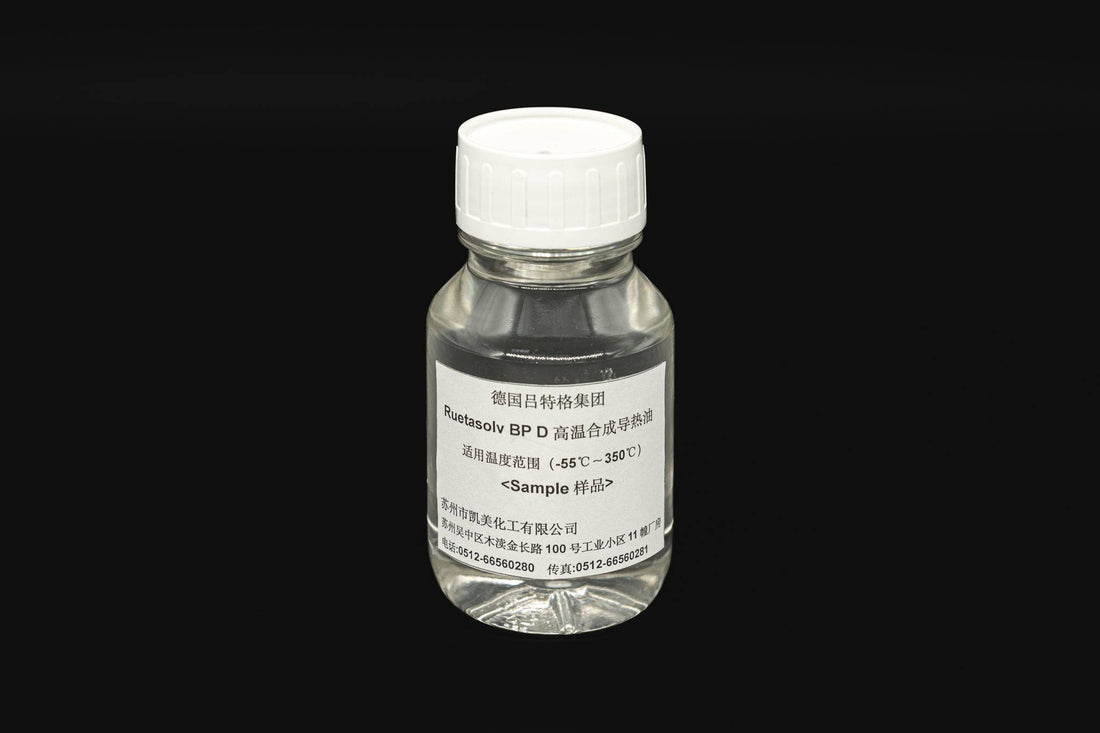
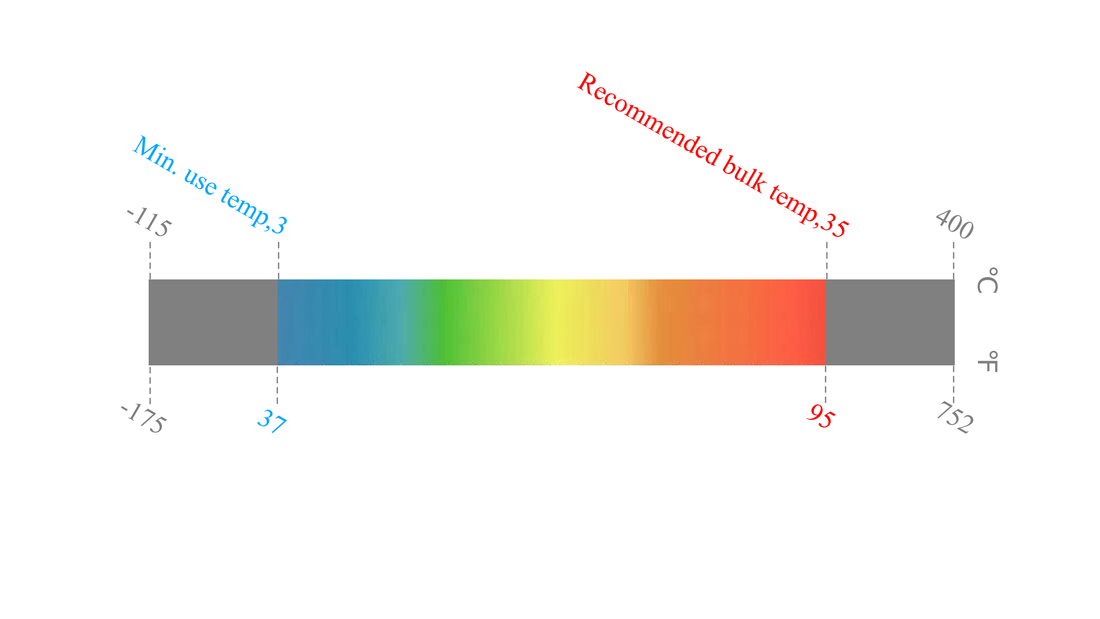
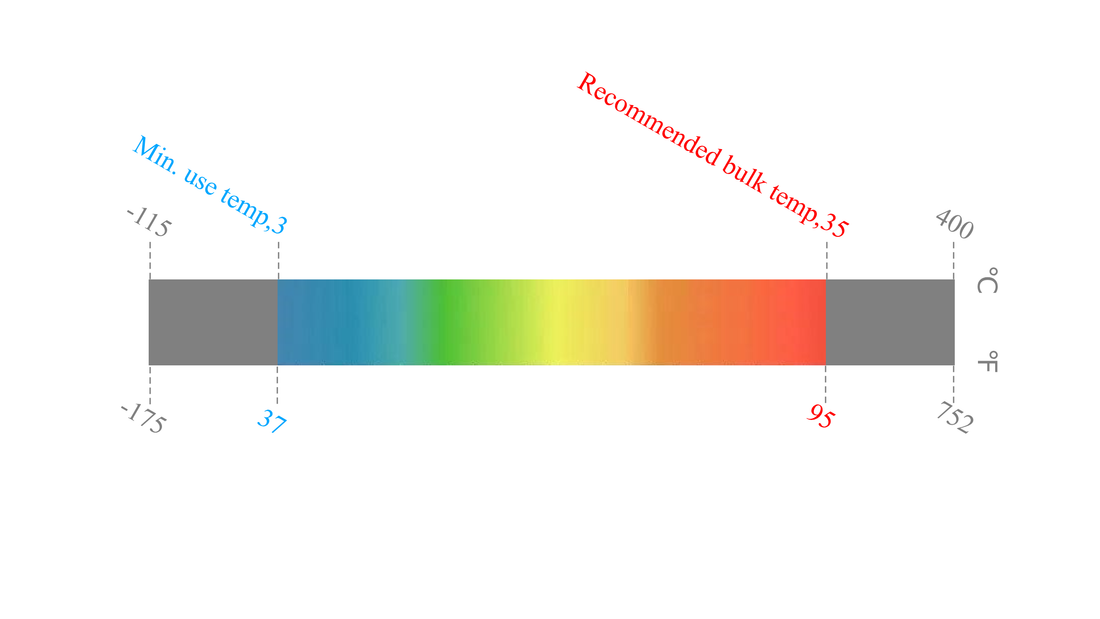
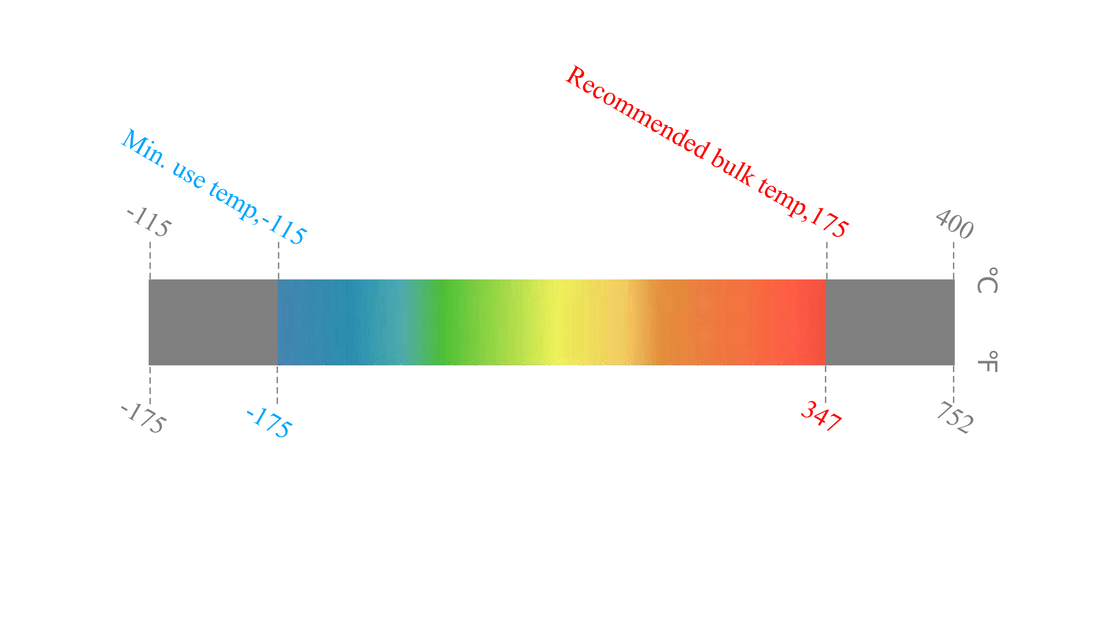
Chemie's two-fluid solution is engineered precisely for this hostile environment. Eurotherm THT (up to 350 °C, exceptional oxidation resistance, long-term thermal stability at elevated film temperatures) is the designated fluid for the most demanding duty points in refrigerant plants: high-temperature fluorination reactor feed preheaters, inter-reactor heat exchangers, and reboilers operating near the upper boundary of organic HTF capability. Its outstanding resistance to oxidative degradation ensures fluid integrity is maintained even under the cyclic thermal stress characteristic of multi-train, continuous fluorination operations. RÜTGERS Ruetasolv BP-D (−55 ~ 350 °C, diisopropyl biphenyl composition, max film temperature 355 °C, pour point < −40 °C, viscosity 10–16 mm²/s at 40 °C, autoignition temperature > 415 °C, boiling point 304–337 °C, thermally recyclable) provides the broadest and most chemically robust operating envelope in the portfolio. Its stable single-aromatic-compound structure delivers outstanding low-temperature fluidity for cold-start conditions, exceptional high-temperature thermal stability for purification distillation and intermediate synthesis duty, and a long expected service life that significantly reduces fluid replacement frequency and associated plant downtime. The high autoignition temperature (>415 °C) adds a critical safety margin in environments where fluorinated gases and HCl vapors demand minimization of ignition risk, while its recyclability supports the sustainability goals increasingly mandated by refrigerant manufacturers committed to reduced environmental footprint.
Both fluids operate at low system pressures—eliminating the capital burden and safety risks associated with high-pressure steam in corrosive fluorochemical environments—and have been selected for their chemical compatibility with the demanding conditions of refrigerant synthesis, where fluid degradation byproducts could compromise catalyst activity and product purity.

Recommended Products
-
 Unit price perRegular price From $175.63
 -
 Unit price perRegular price From $147.53
 -
View all