



ADVANCING SILICONE MANUFACTURING WITH HIGH-STABILITY THERMAL CONTROL
silicones-applications
Engineered Heat Transfer For Monomer Synthesis, Polymerization, Rectification, And Vacuum Purification
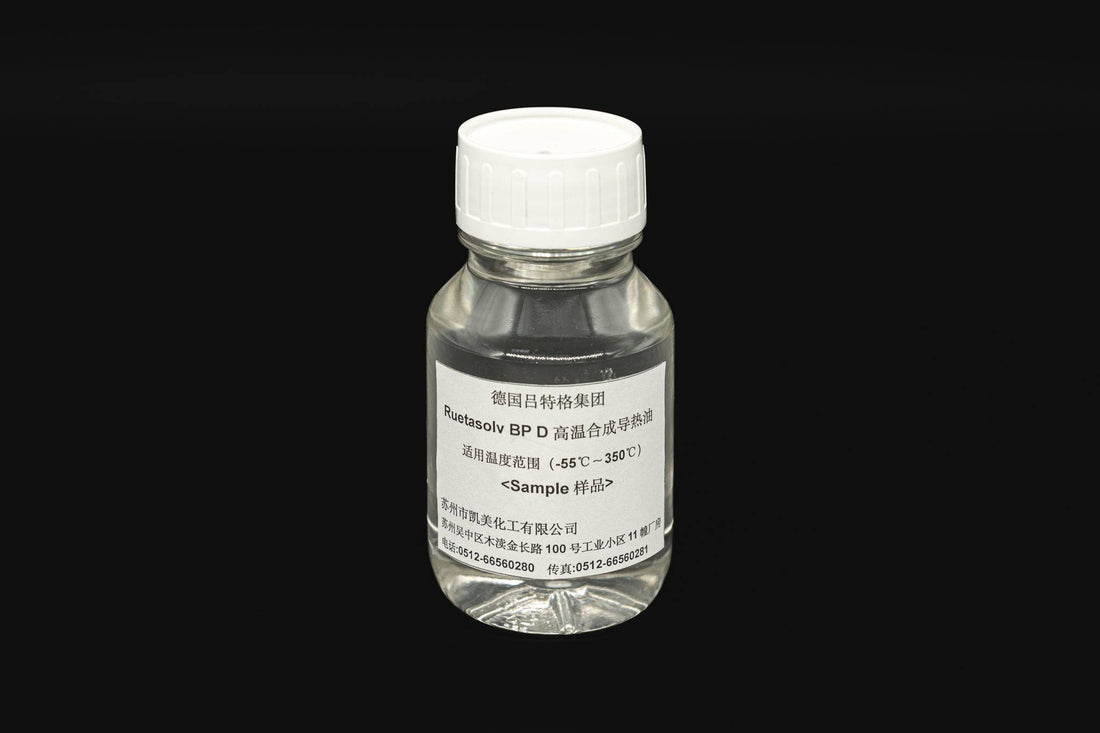
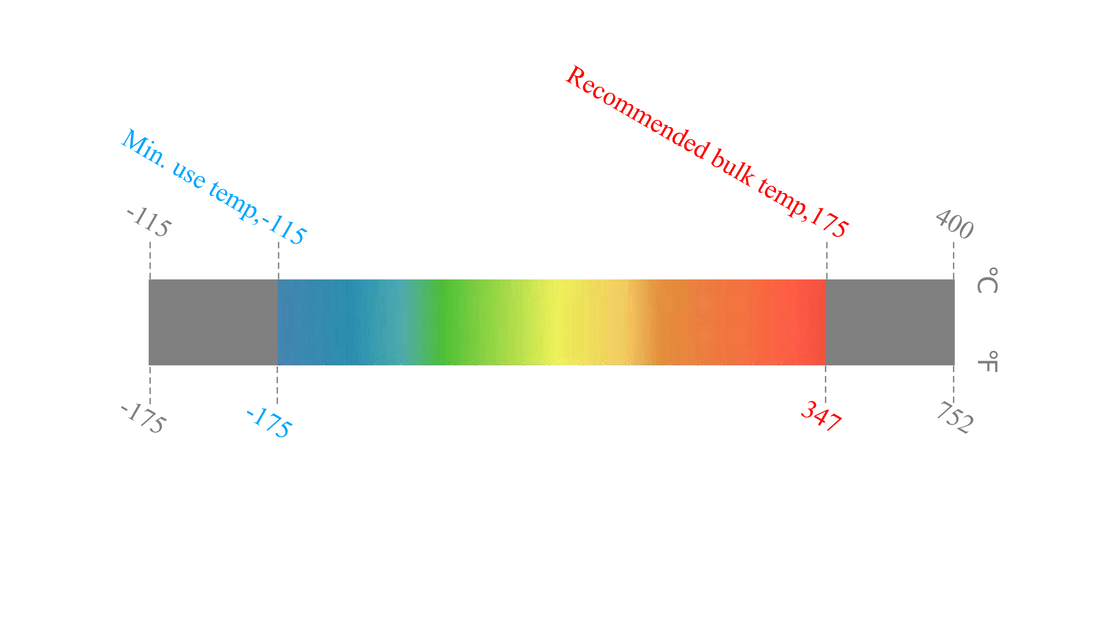
In the Silicones industry, thermal precision is essential from chlorosilane generation to final fluid purification. Industrial methyl chlorosilane production in fluidized-bed direct synthesis typically operates above 290°C and around 0.3 MPa, followed by rectification, hydrolysis, condensation, ring-opening polymerization, and vacuum stripping to remove residual volatiles. Across these stages, heat-transfer oil provides safer low-pressure operation, more uniform jacket and exchanger heating, and better protection against hot spots, side reactions, and product inconsistency than conventional steam systems. Eurotherm 330delivers a wide -49 to 315°C operating range with very low viscosity of 4.04 mm²/s at 40°C, making it ideal for cold start-up, feed preheating, and responsive circulation in flexible multi-product plants. Eurotherm 320, rated from -30 to 320°C with 9.8 mm²/s viscosity at 40°C, offers cost-effective thermal stability for mainstream reactor heating, distillation, and intermediate processing. Eurotherm THT, a hydrogenated terphenyl fluid rated from -10 to 350°C, supports the highest-temperature monomer synthesis loops with low system pressure, strong oxidative stability, and dependable continuous operation. RÜTGERS Ruetaflex BPD extends coverage to -55 to 350°C with low pour point, low viscosity, and excellent film stability, making it especially suitable for large closed-loop systems and demanding organosilicon monomer units that require long service life and reduced maintenance downtime.

Recommended Products
-
 Unit price perRegular price From $175.63
 -
 Unit price perRegular price From $147.53
 -
 Unit price perRegular price $5,339.00
 -
 Unit price perRegular price From $63.23
 -
View all