



ENGINEERED THERMAL PRECISION FOR THF AND PTMEG PRODUCTION
THF & PTMEG Application
Reliable Heat Transfer For BDO Dehydration, THF Purification, Controlled Polymerization, And Continuous Recovery Loops
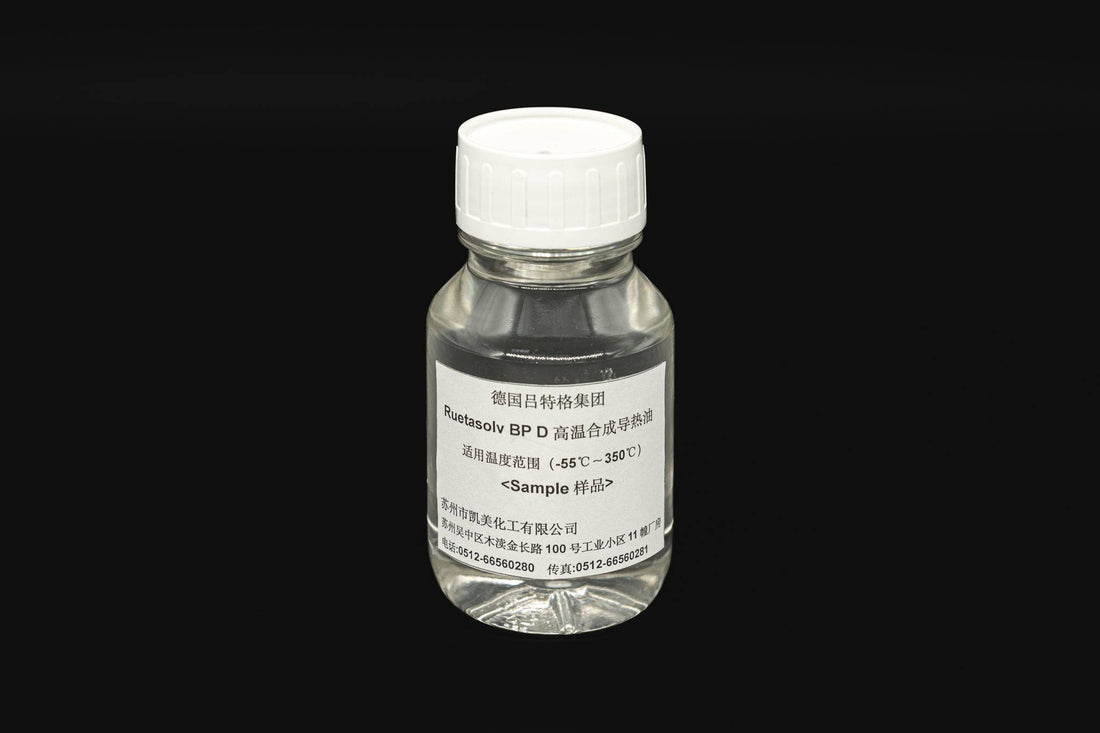
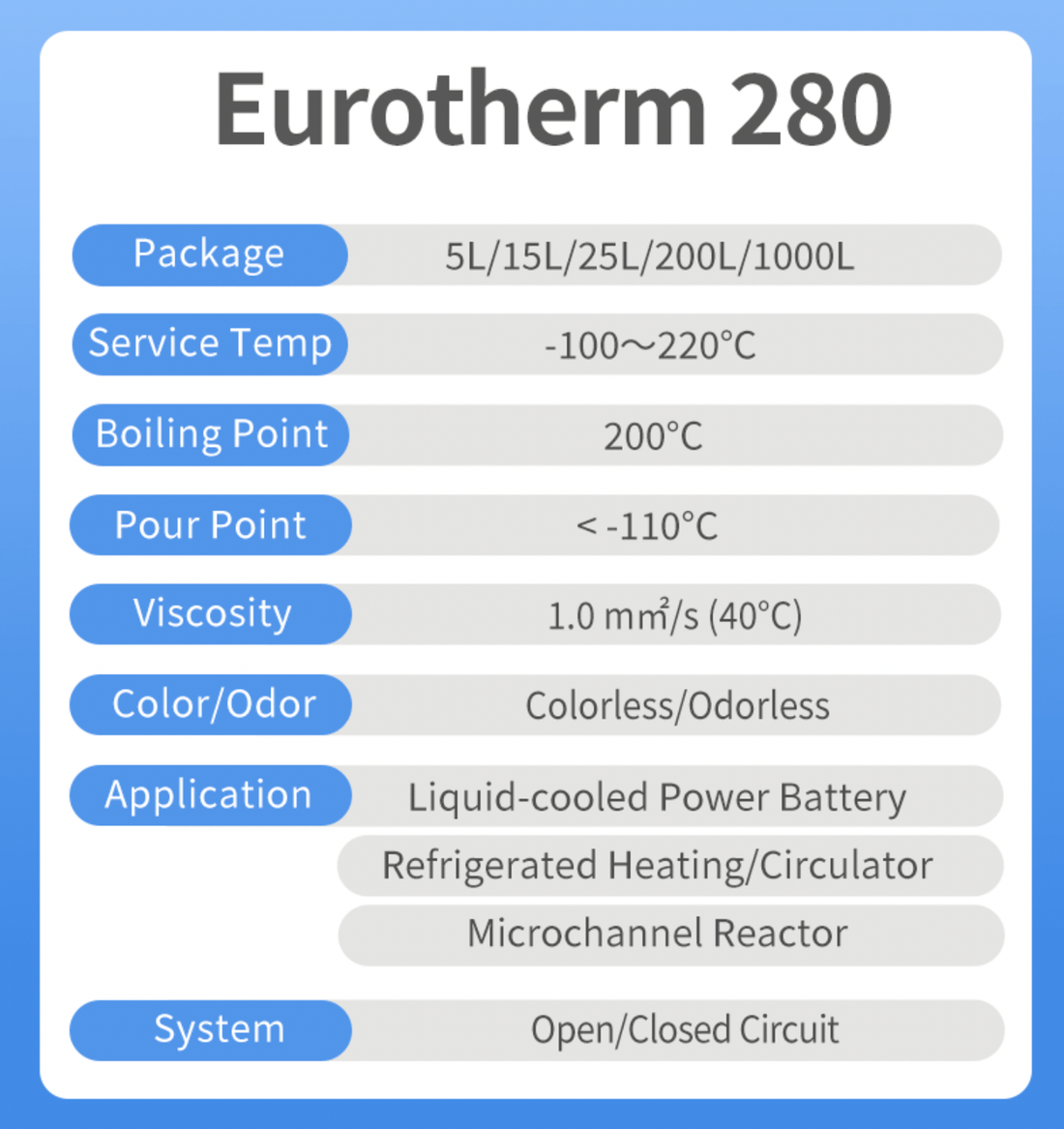
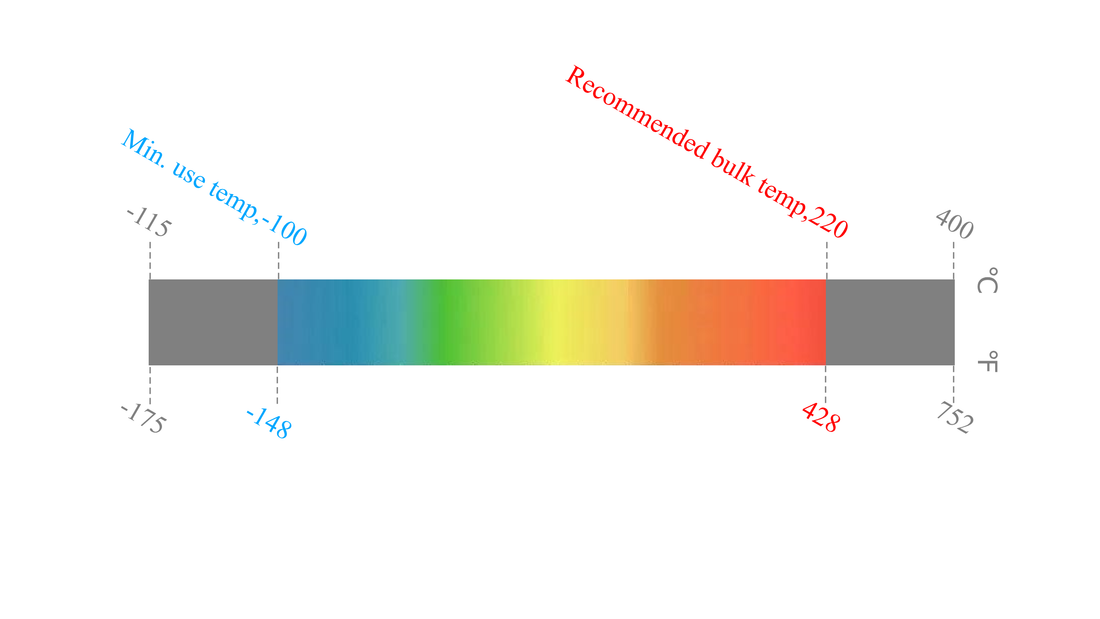
In THF & PTMEG production, thermal control is essential across both reaction and separation stages. Tetrahydrofuran is commonly produced from 1,4-butanediol through dehydration, where reactive distillation is used to continuously remove water and improve conversion, while catalyst-zone temperature may need to remain within a safe limit of about 120°C. Downstream, THF purification is especially energy-sensitive because THF forms a low-boiling azeotrope with water at about 64°C, making extractive distillation and reboiler-duty optimization critical for economical operation. In PTMEG manufacture, THF is first preheated at roughly 15-40°C and then polymerized under controlled conditions typically around 25-66°C, with preferred windows near 35-50°C to protect catalyst activity, conversion efficiency, and product consistency. Within this process chain,Eurotherm 181offers a vapor-phase operating range of -80 to 315°C, a boiling point of 181°C, very low viscosity of 0.78 mm²/s at 40°C, and even heat distribution for responsive low-to-medium temperature duties.Eurotherm 320provides a broad -30 to 320°C range with excellent thermal stability and cost-effective service for reactors, reboilers, and purification systems. For heavier-duty continuous loops,Eurotherm THTextends to 350°C with low system pressure and strong thermal stability, whileRÜTGERS Ruetasolv BP-Dadds high-temperature durability, low-pour-point performance, and long-life reliability for demanding closed-loop THF & PTMEG plants

Recommended Products
-
 Unit price perRegular price From $175.63
 -
 Unit price perRegular price From $147.53
 -
 Unit price perRegular price From $63.23
 -
View all