



A Six‑Fluid Portfolio Engineered For Every Stage — Dehydration, Vacuum Distillation, Hydrotreating, And Base Oil Fractionation
Waste Oil Processing Applications
From Contaminated Feedstock To On‑Spec Base Oil: Dependable Heat Across Every Critical Unit Operation
Waste oil re-refining transforms used lubricants into high-quality base oil through a demanding multi-stage sequence: feedstock dehydration and light-end removal (80–200 °C), atmospheric and vacuum distillation including wiped-film evaporation (200–310 °C), catalytic hydrotreating for sulphur, nitrogen and heavy-metal removal (250–350 °C), and final base oil fractionation. Throughout each stage, thermal oil delivers precise, low-pressure heat — eliminating the moisture contamination and corrosion risks that steam imposes on fouling-prone, contaminant-rich streams.
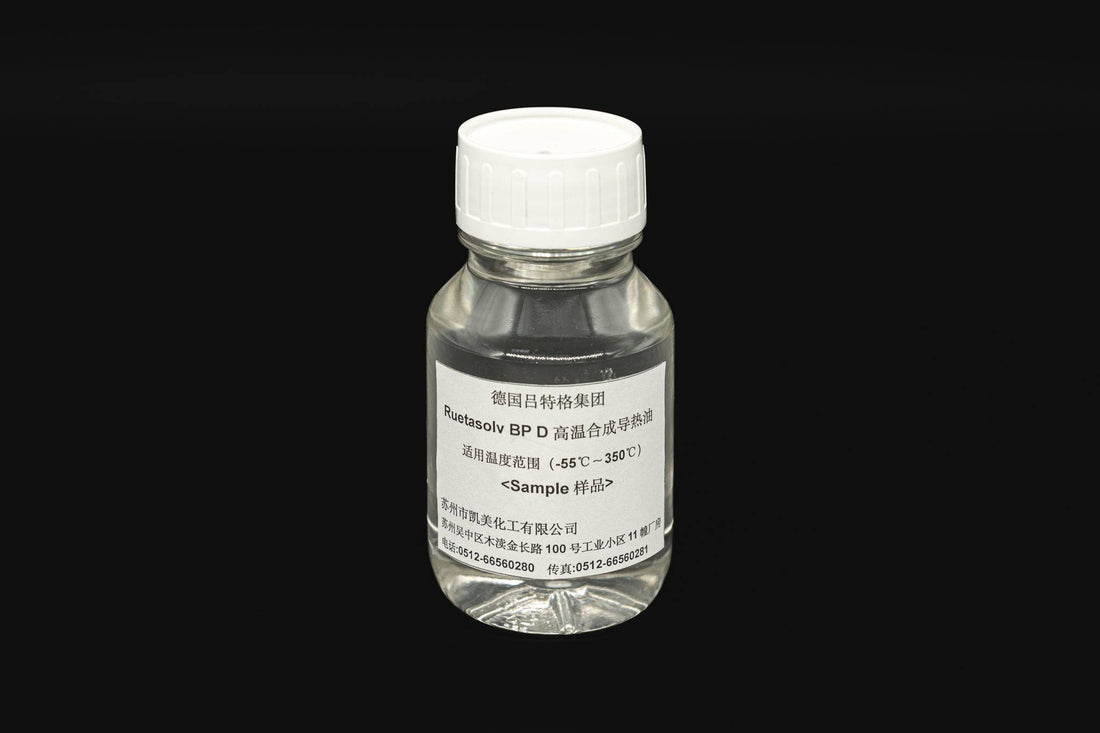
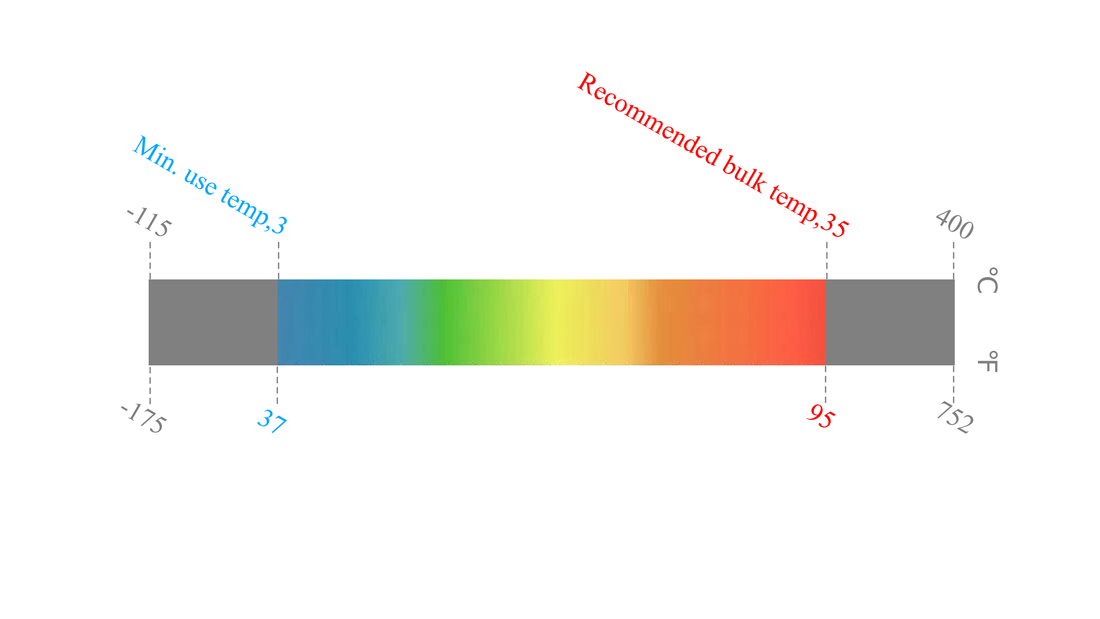
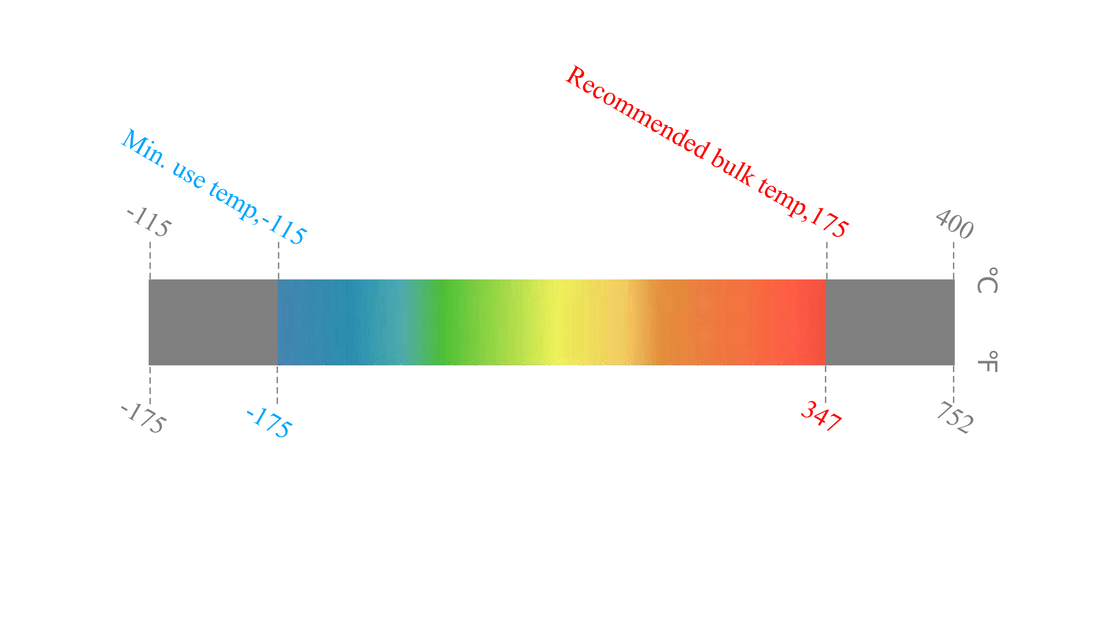
Chemie's six-fluid portfolio — Waste Oil Processing Eurotherm 330, Waste Oil Processing Eurotherm 320, Waste Oil Processing Eurotherm 350, Waste Oil Processing Eurotherm THT, Waste Oil Processing Eurotherm R‑1000, and Waste Oil Processing Ruetasolv B‑PD — covers the complete re-refining temperature range. Eurotherm 330 (−49 ~ 315 °C, 4.04 mm²/s, pour point −68 °C) ensures reliable cold-start and smooth dehydration heating. Eurotherm 320 (−30 ~ 320 °C, 9.8 mm²/s) and Eurotherm R‑1000 (high heat capacity, −39 ~ 315 °C) deliver uniform heat to atmospheric distillation columns and vacuum feed pre-heaters at 150–300 °C. Eurotherm 350 (−30 ~ 350 °C, 15 mm²/s) drives high-load wiped-film evaporators and final fractionation at up to 350 °C. Eurotherm THT (−10 ~ 350 °C, 28 mm²/s), based on hydrogenated terphenyl, resists oxidation in continuous hydrotreating pre-heat circuits. Ruetasolv B‑PD (−55 ~ 350 °C, 10–16 mm²/s, autoignition >415 °C) — German-sourced, recyclable — provides maximum chemical stability and environmental compliance for critical hydrotreating and base oil finishing loops, where process purity is non-negotiable.

Recommended Products
-
 Unit price perRegular price From $175.63
 -
 Unit price perRegular price From $147.53
 -
 Unit price perRegular price From $175.63
 -
 Unit price perRegular price $5,339.00
 -
 Unit price perRegular price $5,339.00
 -
 Unit price perRegular price From $63.23
 -
View all